

Anti-social
(Where) did it all go wrong for social media?

Never mind the users, look at the balance sheet
It has a market capitalisation of over $1.6 trillion, over 30% profit margin on revenues of just under $189.5 billion, and three billion monthly active users.
As the social network turns 21, it continues to dominate the social media landscape. Despite new platforms regularly emerging, Facebook still comes out on top in terms of user numbers.- Statista
Asking where it all went wrong for Facebook Meta, feels like being the bellboy delivering champagne in the famous story about George Best.
Oh, George, where did it all go wrong?
A hotel bellboy, delivering champagne to Best’s room, finding him with Miss World and the bed covered with casino winnings.
But the analogy works. Best, as a footballer, brought joy to millions of football fans, and walked away from the game at 27, at what should have been his prime. When Facebook launched, it promised to connect the world. It was the brainchild of Harvard students, an independent rival to MySpace, which had been bought out by Rupert Murdoch’s News Corporation. Its “move fast and break things” philosophy allowed it to out-grow and out-perform its rivals, leaving them in the dust as it became a behemoth.
It’s difficult to argue that Facebook delivered on its early promise to connect the world. Over Christmas, I read Careless People by Sarah Wynn-Williams, and Enshittification by Cory Doctorow. They both offer valuable perspectives on where Facebook’s choices led us here, to a more divided online world, rather than a more connected one.
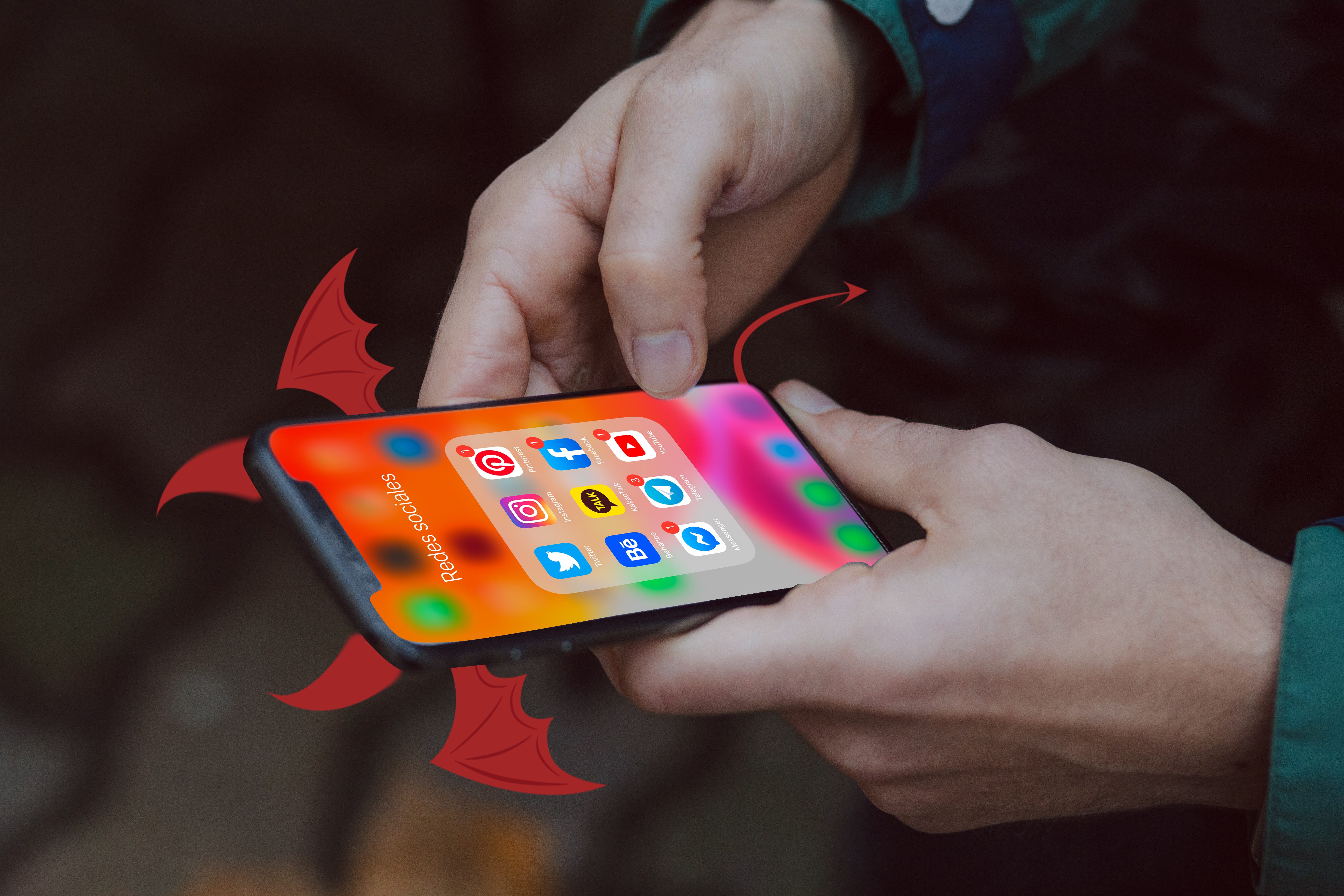
The enshittification of Facebook
Doctorow’s thesis is that enshittification (his very technical term for how things get worse) happens in three stages:
The platform is good to its users. In Facebook’s case, it offered connection, enhanced privacy (really!) and a superior user experience compared with other social media platforms. By allowing users to connect and opening up the platform to game developers, it quickly built up a large population of users who came to play, waste time, and catch up with friends and relatives.
The platform is good to its business customers at the expense of users. Despite promising in 2004 never to “use cookies to collect private information from any user,” ten years later, Facebook was selling its user data to advertisers and publishers, enabling targeted advertising and publishing unasked-for content onto users’ newsfeeds. Users had no choice but to accept commercial surveillance as the price of continued connection to friends and loved ones on the platform.
Being bad for its business customers. Some time later, Facebook ads stopped being served reliably to target audiences, publishers were forced to deliver longer posts to get to users, eventually having to publish their entire articles, reaching fewer eyeballs. “Advertisers paid much more for ads that were less likely to be seen.”
This chimes with many of the criticisms that Wynn-Williams has about her years at Facebook. She described several times when growth came into tension with political concerns. Growth always won.
This wasn’t inevitable
When Facebook launched, it was only possible to join if you had an .edu email address from an American university. Eventually, this crossed the Atlantic to the UK and university students there could join. This exclusivity created a massive buzz. Then users were allowed to invite non-university friends, and I pestered my partner of the time to invite me. Eventually, a friend of hers took pity on me and invited me. It was amazing. It was such a cool experience. You only saw news from people who you were connected with, you could easily find like-minded Facebook friends, and it felt like a global community was springing up.
As it grew, Facebook continued to assure us all it took our privacy seriously. In 2014, the company changed course, and went all-in on user surveillance to supercharge advertising revenues. Now that it was the last remaining social media company in the market, user concerns about privacy stood in the way of growth. They never stood a chance. Facebook updated its terms and privacy policy, and switching costs meant people stayed on the platform.
The VC model is about using capital at the beginning, and then reaping the rewards of those growth rates because the company has gotten so large that they dictate what’s going on in the market. - Peter Walker, Head of Insights at Carta, speaking on Gergely Orosz‘s Pragmatic Engineer podcast.
If this is how VC-backed firms work - they use capital to grow, funding losses to acquire market share, it didn’t have to be this way for Facebook, which was wildly profitable before it became a surveillance capitalist. It earned $229 million on $777 million in revenues in 2009 and $606 million on $1.974 billion, with profit margins of 29 - 30% in both years. The growth trajectory was already there.
Surveillance capitalism wasn’t required for super-sized profits and growth. But it gave more and more back to investors, never mind the users and businesses who relied on the software. Wynn-Williams described the ‘grow at all costs’ mentality prevalent in Facebook pre and post its IPO in 2012.
Abandoning user privacy killed the promise of social media as a connecting force. A news feed once full of updates and messages from friends and relatives is now buried beneath countless ads. Separately, there’s been a rise in political polarisation, where there’s less engagement between different perspectives. Several studies have shown that people consume content aligned with the views they already have, and more extreme views are associated with higher levels of engagement. If this is the long-term trend, where people only have limited access to alternative perspectives, then we are a long way from where we started.
So, what now?
In Enshittification, Doctorow argues that we can get back to a better world by creating platforms that follow the end-to-end principle (you get to see the data you want to see, not what the platform profits most by showing you), and through interoperability, so you can leave a network you dislike, without necessarily cutting off your connections. I’d like to believe in that world, but I don’t think that our current titans of social media will deliver it for us. What would it take for three billion users to exit Facebook? A new challenger model has to come. What would it look like?
The chances are it will have to be a niche service to begin with. Facebook started with college students, and some common group is likely to be the feedstock for a replacement movement.
It would require a certain kind of investor - if it’s not to repeat the enshittification cycle of Facebook (and others), growth at all costs would not be the way. It would have to operate with guarantees of user protection baked in.
You’d also need the kind of corporate structure that would enable you to prevent a buyout from a social media giant should you gain traction in the market.
The biggest challenge I see is how such a business makes money. If you’re going to sell ads, you can’t beat Facebook. There’s nothing in it for a user or community to join you, given the network effects and reach of Meta’s applications. The illusion of social media being free creates substantial barriers to entry.
But the core of the product is there. People yearn for connection. A product that brought the kind of joy and delight to people the way that Facebook originally did is possible. It just needs someone to build it.